
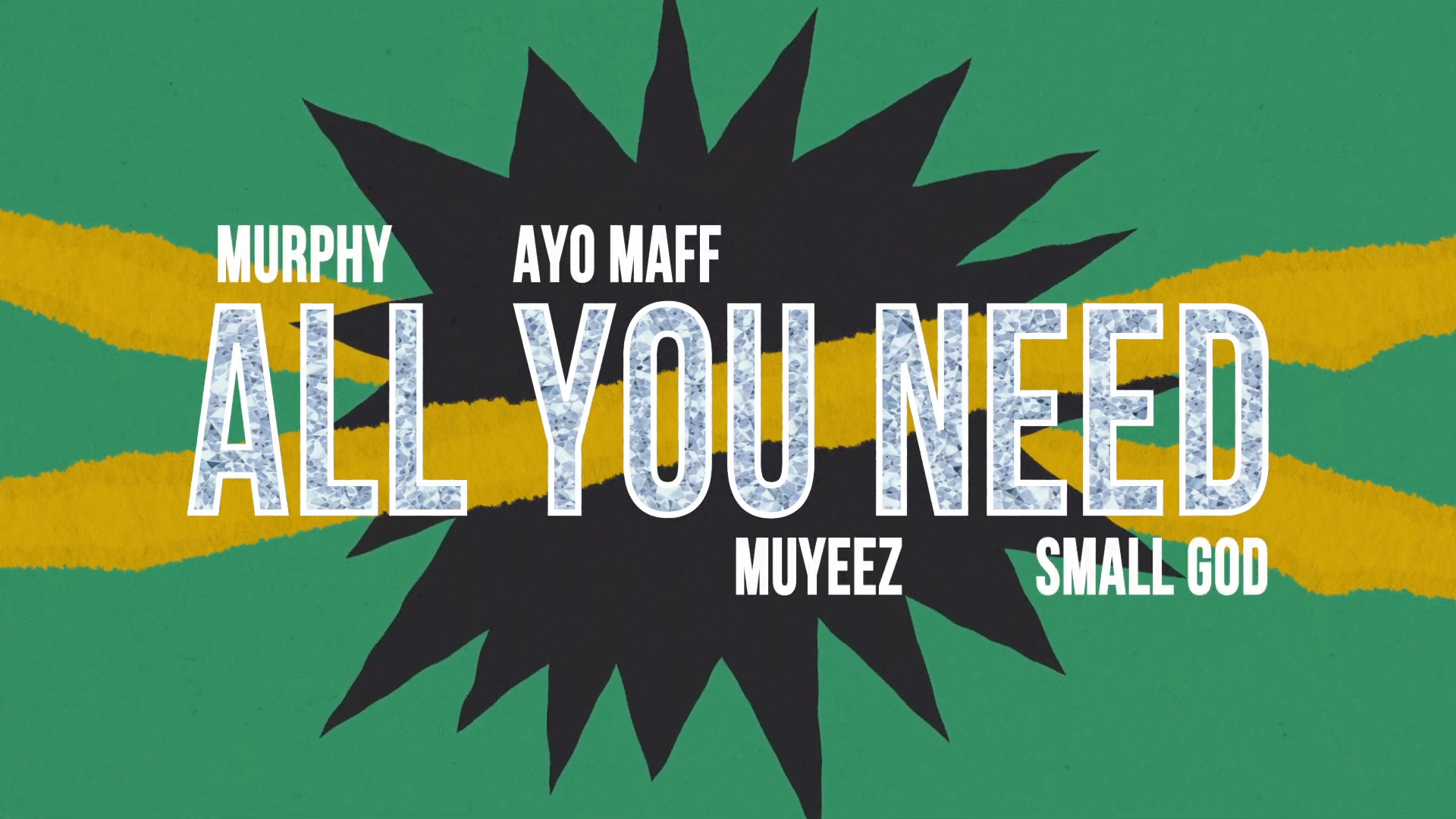
The way music succeeds on YouTube has changed. Subscriber counts, notifications and even watch time no longer carry the same influence they once did. Today, every upload is evaluated on its own ability to capture attention, keep viewers engaged and satisfy audiences. That shift has quietly transformed the role of lyric videos, visualizers and animated music videos. They’re no longer simply supporting a release, they’re helping drive it.
The biggest shift is that YouTube is no longer driven primarily by subscriber counts. There was a time when uploading to a channel with hundreds of thousands of subscribers almost guaranteed a strong launch. Today, every upload starts with a fresh opportunity. Rather than simply serving a video to subscribers, YouTube increasingly evaluates how viewers respond before expanding its reach. If people click, watch, engage and continue watching, the platform introduces that video to more audiences, regardless of whether they already follow the artist. Every upload is essentially an audition for broader distribution.
That changes the conversation around music releases entirely. Instead of thinking, “We’ve already released the song“, artists should be asking, “How many opportunities have we given this song to be discovered?” An official music video is one opportunity and a lyric video is another and then a visualizer creates another. Short form edits, alternate versions and behind the scenes content continue extending the life of a release. Each upload gives YouTube new data about who enjoys the music and who might become the next fan.
This is particularly important because notifications and subscriptions simply do not carry the weight they once did. Even loyal subscribers may never receive a notification for a new upload, or they may choose not to click when they do. Discovery increasingly happens through the YouTube homepage, suggested videos, search results and recommendations. That means success depends less on how many people already know an artist and more on how compelling each individual upload is to viewers encountering it for the first time.
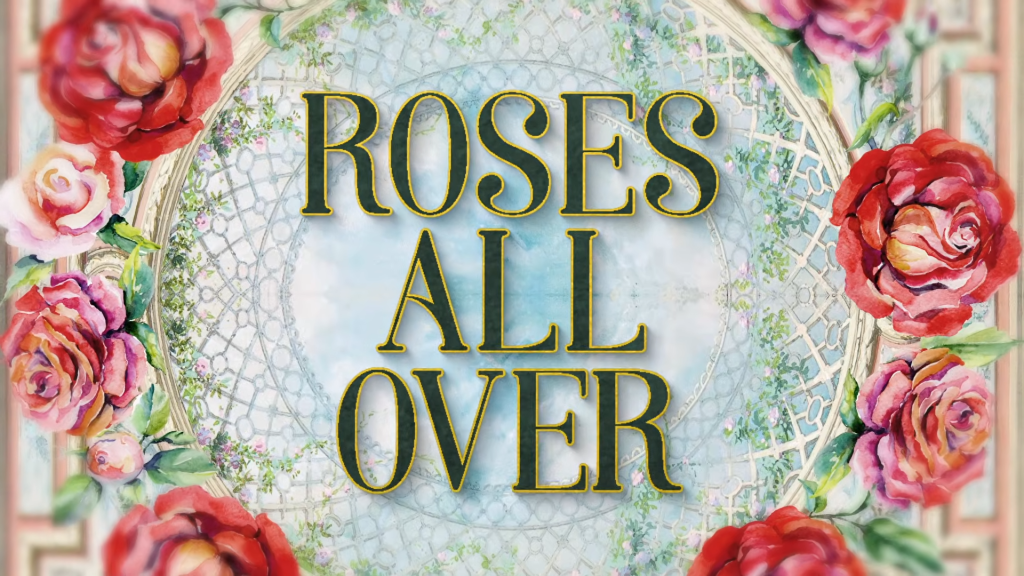
At the same time, YouTube has evolved beyond measuring simple watch time. The platform has become much better at identifying viewer satisfaction. Did people stay engaged? Did they continue watching other videos afterward? Did they interact with the content? Did they feel that watching the video was worthwhile? These are the types of signals that influence how widely a video is recommended. A visually engaging lyric video naturally has an advantage over static artwork with plain text appearing on screen. Motion, storytelling, creative typography, cinematic stock footage, animation, compositing and carefully crafted visual pacing all encourage viewers to stay with the song longer and become immersed in the experience.
This represents a major opportunity for artists. Music itself remains the foundation, but presentation has never mattered more. Every release competes with millions of other videos fighting for attention. A professionally produced lyric video helps transform a song into an experience that captures viewers from the opening seconds and gives them a reason to keep watching. It reinforces an artist’s identity, establishes a recognizable visual style and creates a stronger emotional connection with the audience.
Independent artists stand to benefit the most. Without major label marketing budgets or expensive narrative music videos for every release, every piece of content has to work harder. A lyric video or visualizer can become the primary visual campaign for a single, allowing an artist to present their music with the same level of professionalism as much larger acts. Instead of uploading static cover art, they can release something that feels intentional, polished and memorable, increasing the likelihood that viewers remain engaged long enough for YouTube to recommend the song to others.
For labels, the value extends well beyond aesthetics. Every professionally produced visual asset becomes another marketing touchpoint. Different versions of the same song appeal to different audiences. Some fans will discover the official music video, others will encounter the lyric video through search, while others may first hear the song through a visualizer or a short form edit. Each upload strengthens the song’s overall presence on the platform and creates additional opportunities for discovery long after release day has passed.
This is why the question should no longer be whether an artist “needs” a lyric video. The better question is whether they can afford to miss another opportunity for their music to find new listeners. In today’s YouTube ecosystem, every upload has the potential to introduce a song to an entirely new audience. Choosing not to create additional visual content means giving up one of the platform’s greatest advantages: the ability for every video to earn its own momentum.
The most successful release strategies today rarely revolve around a single upload. They are built around a steady stream of high quality visual content that keeps both audiences and algorithms engaged. A lyric video launches the song. A visualizer extends its life. Short form edits introduce it to new viewers. Each asset reinforces the artist’s brand while giving YouTube additional reasons to recommend the music again and again.
The era of lyric videos being considered a budget substitute is over. They have become an essential part of modern music marketing. When crafted with creativity and purpose, they do far more than display words on a screen. They increase engagement, strengthen an artist’s visual identity, create new discovery opportunities and help every release work harder. In a platform where every upload is judged on its own ability to capture attention and satisfy viewers, a professionally produced lyric video or visualizer is no longer simply supporting the song. It is actively helping the song succeed.