
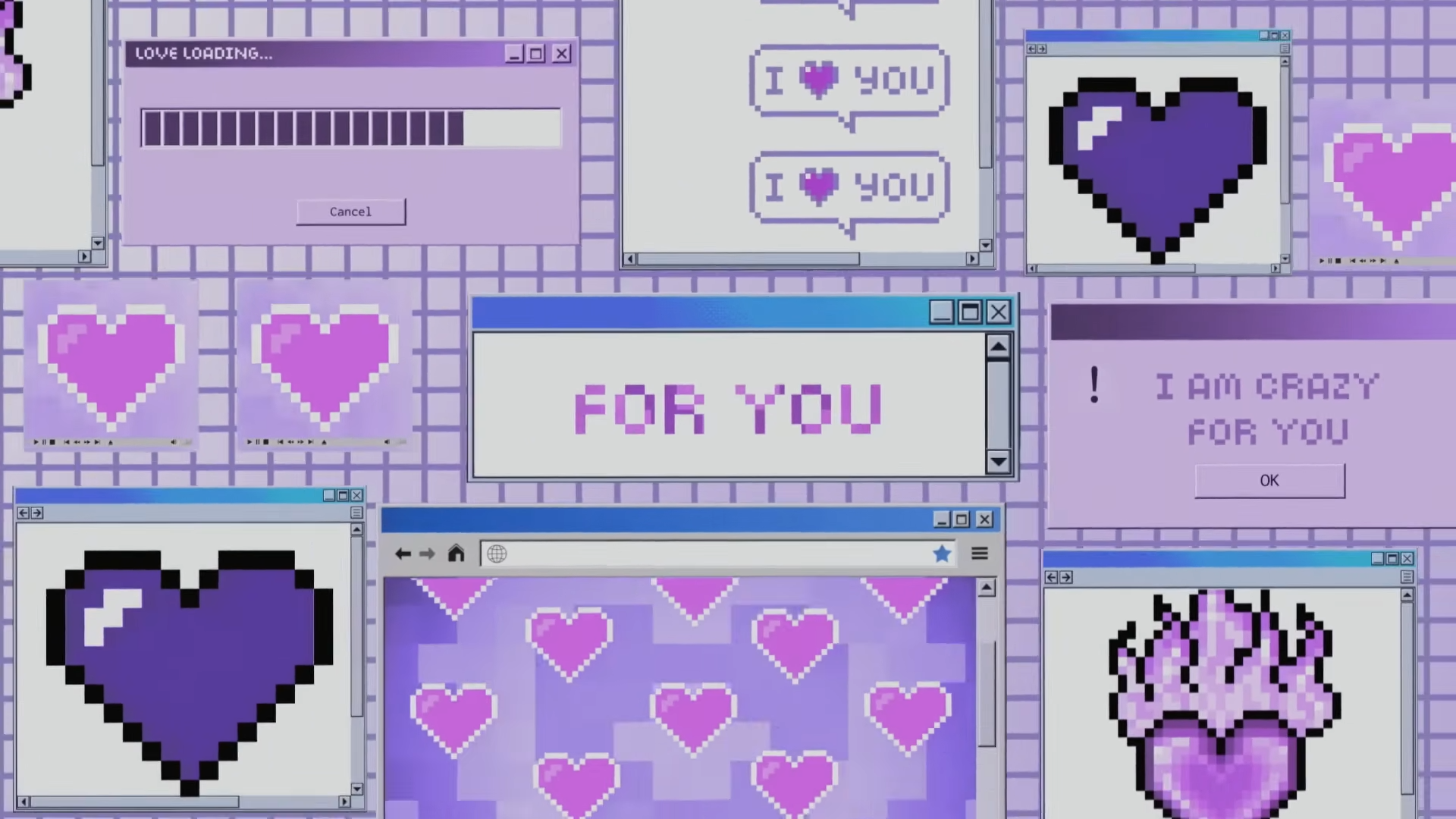
AI has become impossible to ignore. Every week seems to bring another viral breakthrough, another tool capable of generating images/animations or entire videos from nothing more than a text prompt. For artists and labels, it’s an exciting time because creating visuals has never been faster or more accessible and AI has opened the door for musicians to experiment with ideas that may have once been out of reach. Naturally, this has led many people to wonder whether professional, human-made lyric videos are becoming a thing of the past.
The answer is no. In fact, as AI generated content becomes more widespread, custom human-crafted lyric videos have become even more valuable. While this new technology is impressive, it still cannot replace the one thing that gives a lyric video lasting impact: thoughtful creative direction and emotion. The difference between a video that exists and one that genuinely resonates with an audience isn’t the software used to make it, it’s the human decisions behind every frame.
A great lyric video begins well before a designer opens their editing program or generates a single image, it starts by understanding the music itself. Every song and artist carries its own personality, emotional weight and story. A breakup song should feel completely different from an EDM summer anthem, just as an acoustic country performance demands a different visual than a grungy rock track. These decisions require interpretation and an understanding of how visuals can enhance the emotions already present in the music. That creative interpretation is what separates professional work from AI generated content. Every choice, from typography and colour palette to pacing, transitions, camera movement and imagery, should serve the song rather than simply filling the screen. The strongest lyric videos feel cohesive because every element has been intentionally designed to support a single creative vision. The audience may never consciously notice all of those specific decisions, but they absolutely feel the difference!
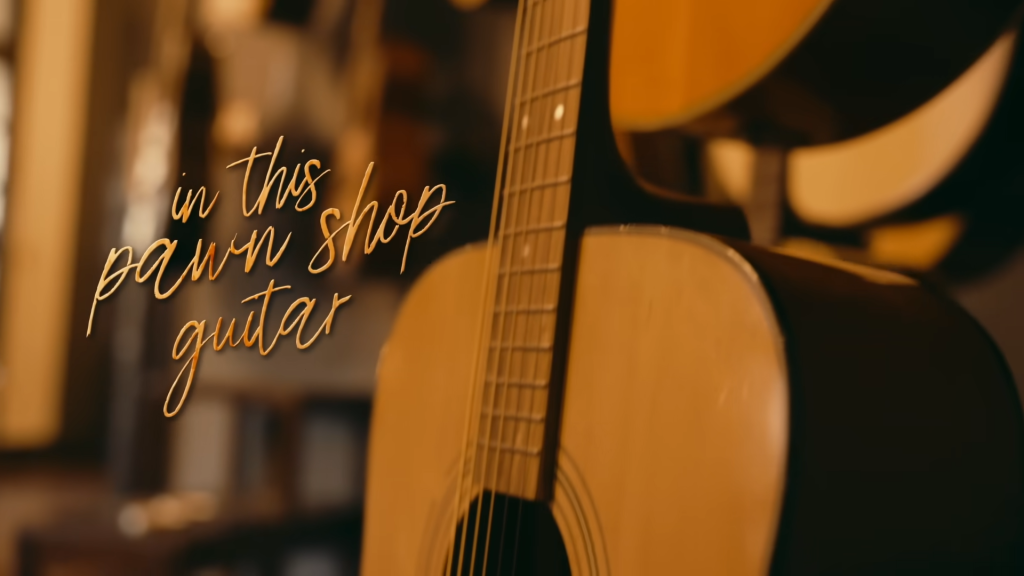
Ironically, AI has raised the standard for professional creative work rather than lowering it. Beautiful imagery is no longer difficult to create. Thousands of people can now generate dramatic landscapes and stylized artwork in a matter of seconds. As a result, beautiful visuals alone are no longer enough to make an artist stand out, it has to be original ideas and a distinctive creative direction that will capture the attention of fans. This is where many AI generated lyric videos begin to feel the same. Similar prompts often produce similar results, leading to familiar faces and colour palettes, familiar compositions and the same visual styles. While these videos can certainly look cool at first glance, they really lack the individuality that helps an artist establish their own identity. Music has always been about standing apart from the crowd and their visual content should do exactly the same.
Professional human-created lyric videos are built around that individuality. Rather than forcing a song into a template, creative teams (like us!) develop concepts that reflect the artist’s genre, personality, audience & message. Some projects call for cinematic stock footage, while others rely on custom motion graphics, collage animation, dynamic typography or a carefully balanced combination of multiple visual techniques. The approach changes because every song is different.
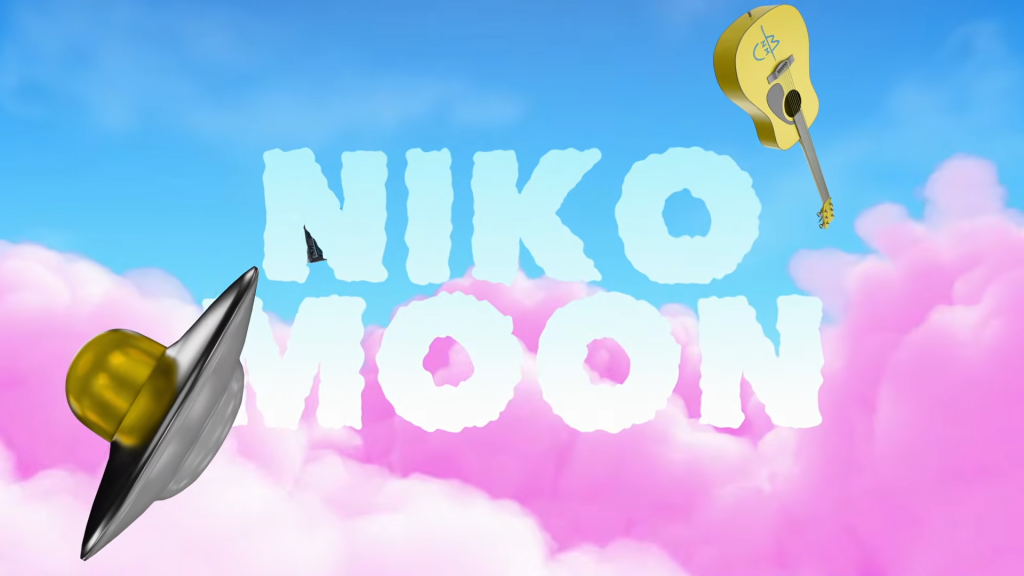
It’s also worth remembering that music fans aren’t simply consuming content, they’re building relationships with the artists they love. They want visuals that feel authentic to the person behind the music, not something that could have been generated for anyone or by themselves. The most memorable lyric videos don’t succeed because they contain the most elaborate effects either. They succeed because they feel connected to the song, allowing the visuals and lyrics to become part of a single emotional experience.
As AI continues to develop, artists and labels will now have more choices than ever before when it comes to producing visual content. Those options are exciting and they will continue to shape the future of music marketing. At the same time, the qualities that make great art memorable remain remarkably consistent. Originality, emotion, storytelling and human creativity have always been at the heart of the strongest visual work and we don’t think that is changing anytime soon.