
Short answer? Absolutely. In fact, lyric videos may be MORE important in 2026 than they’ve ever been before.
While the music industry has changed dramatically over the past decade, one thing hasn’t…artists still need engaging visual content to support their releases. The difference is that today, audiences consume more content, on more platforms and at a faster pace than ever in the industry’s history. A single song release is no longer accompanied by one music video and a few social media posts. Modern release campaigns often include Spotify Canvases, TikToks, YouTube Shorts, visualizers, BTS clips, artwork reveals, lyric videos, official music videos, acoustic versions, remixes and live performances etc.
When lyric videos first became popular in the early 2010s, they were often viewed as placeholders. Artists would release a lyric video while fans waited for the “real” music video to arrive weeks or months later. Many of these lyric videos consisted of little more than text over a static background or simple stock imagery.
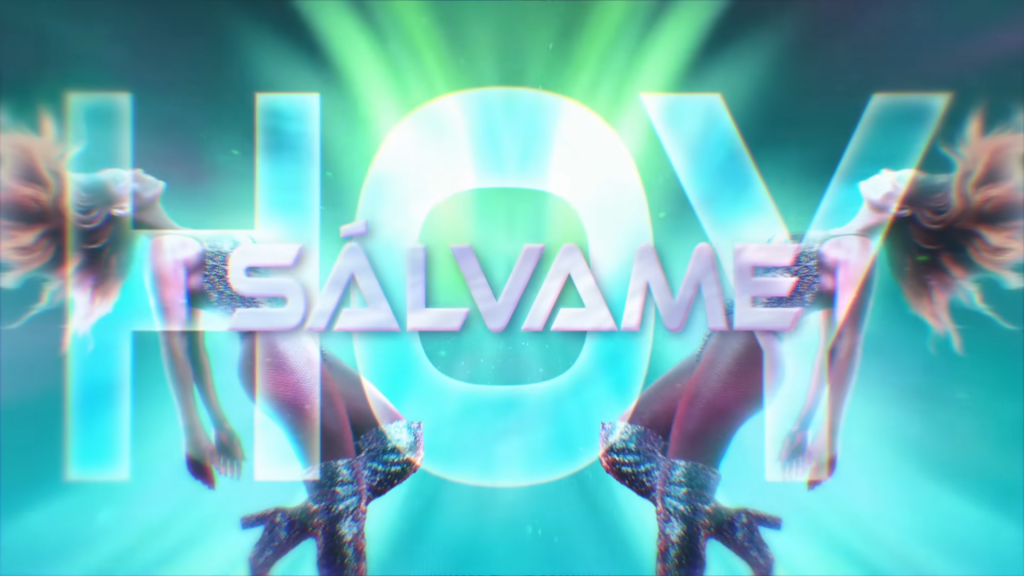
Fast forward to 2026, and the world of professional lyric videos looks very different. Today’s videos are often fully animated visual experiences featuring custom typography, motion graphics, storytelling elements, visual effects and carefully crafted art direction. They are now becoming the primary visual identity of a release rather than merely a stopgap.
For independent artists especially, lyric videos have become a core marketing asset rather than a temporary substitute.This is because streaming has changed the way audiences discover and consume music. Songs are no longer experienced only through what listeners download. They live on YouTube, Instagram, TikTok, Facebook, Spotify, Apple Music & dozens of other platforms that prioritize visual engagement. So the questions for artists and labels now is: ‘How do you create enough visual content to stay visible without spending an entire album budget on video production?‘ That’s where lyric videos continue to thrive! They offer artists an opportunity to transform an audio release into visual content that can live across multiple platforms while remaining significantly more affordable and flexible than traditional music videos.
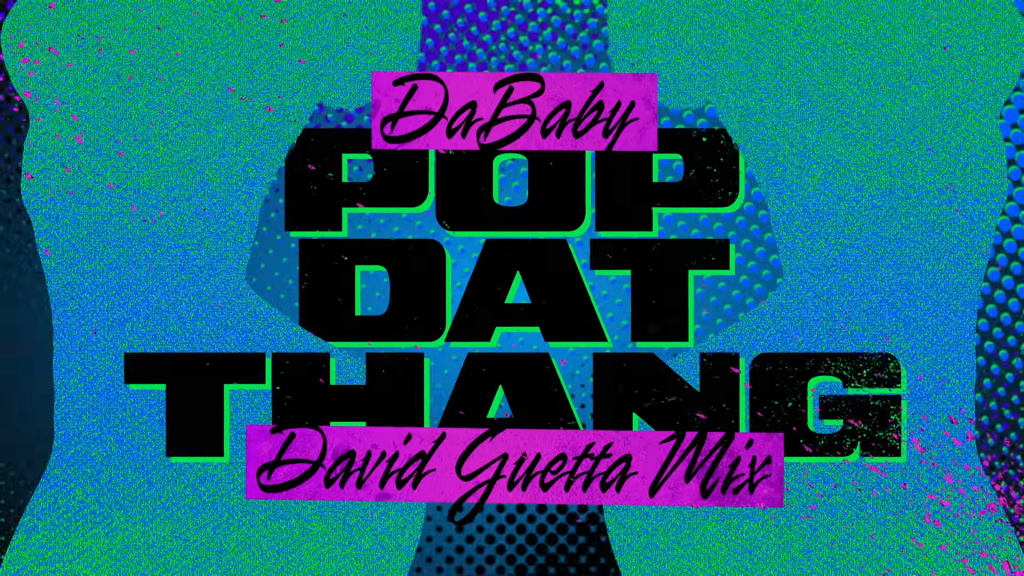
One of the biggest misconceptions about lyric videos is that audiences no longer care about reading lyrics on screen. The reality is quite the opposite! Listeners continue to search for: song lyrics, official lyric videos, karaoke versions, sing-along videos and live lyric performances. For many fans, including us, understanding and connecting with the words of a song is part of the listening experience.
Audiences love to connect with their favorite artists, and the more content that couples with an exciting new release, the better! Today, successful releases often include several visual assets:
- Announcement teaser
- Pre-save content
- Lyric video
- Spotify Canvas
- Visualizer
- BTS footage
- Social clips
- Live performance videos
Every piece of content extends the lifespan of a release and creates additional opportunities for discovery. A lyric video often fills an important role in this ecosystem because it can be released immediately alongside the song while larger productions are still being completed.
Lastly, YouTube remains one of the world’s largest music discovery platforms and it is still rewarding it’s users for views. Uploading audio to the platform alone limits discoverability and audience retention compared to publishing engaging visual content. Lyric videos are proven to provide: additional watch time, improved audience retention, more shareability, and of course, additional monetization opportunities.
So, Are Lyric Videos Still Popular in 2026?
Without question. The better question might be – can artists afford not to have them?
The modern music industry rewards consistency, visibility, and engagement. Artists need more content than ever before to compete for attention and lyric videos remain one of the most cost-effective and versatile tools available. If anything, lyric videos aren’t becoming less relevant in 2026, they’re becoming essential.