
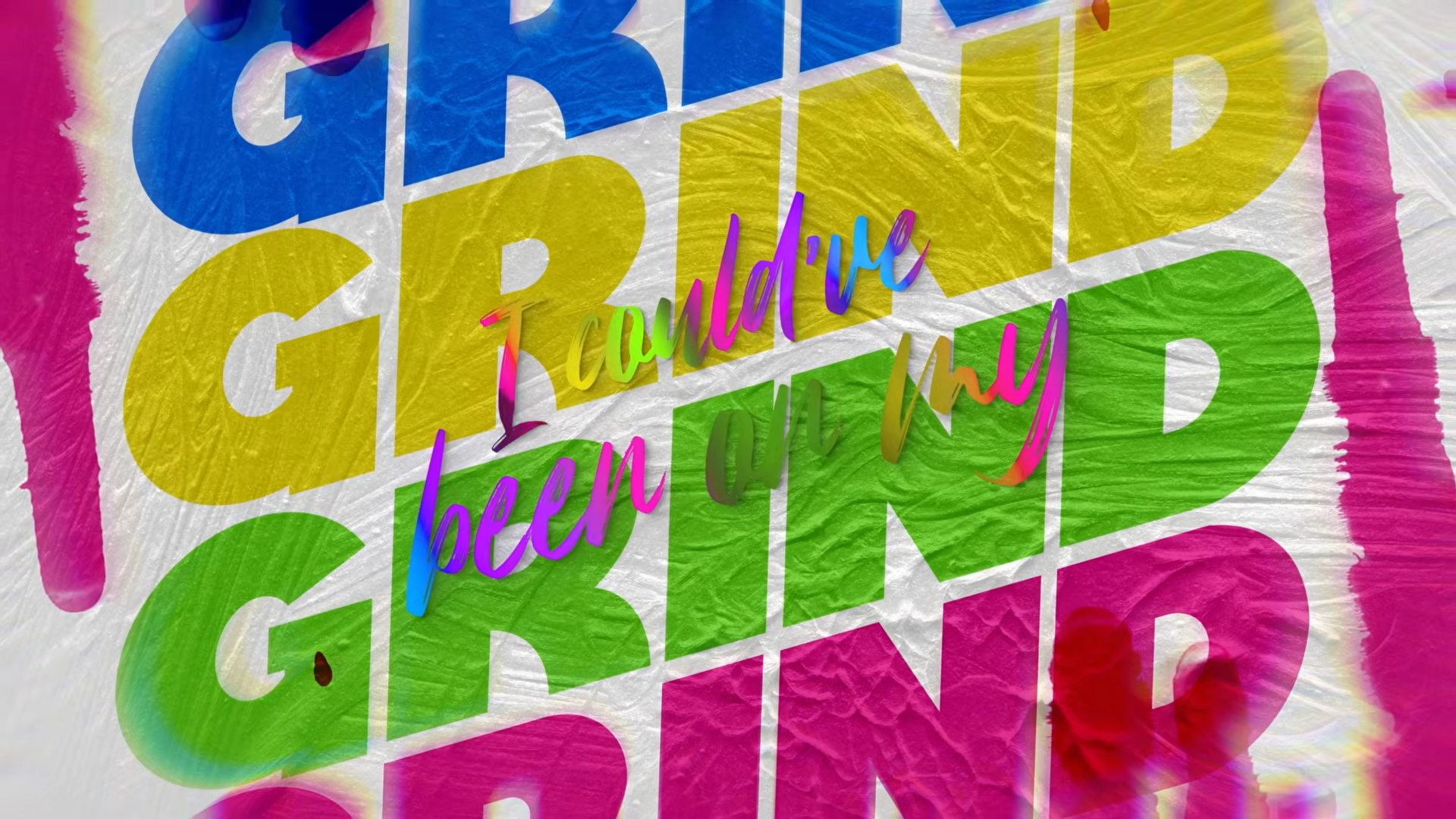
For years, lyric videos carried the reputation that they were the “budget option“, something artists released while fans waited for the official music video to arrive. In many cases, they were exactly that. Simple text over a static image that filled the gap between a song’s release and a larger production. That may have been true a decade ago, but it no longer reflects the reality of today’s music industry.
In 2026, lyric videos have become one of the most creative and strategic visual assets an artist can produce. They’re no longer defined by what they aren’t. Instead, they’re valued for what they are: a unique opportunity to give a song its own visual identity while allowing listeners to connect more deeply with the music itself.
The way artists release music has changed dramatically over the past several years as well. Releasing a single is no longer about uploading an audio file and hoping listeners find it. Every song now exists across YouTube, Spotify, TikTok, Instagram, Facebook and countless other platforms where visual content is just as important as the music. Audiences expect more than album artwork. They expect movement, storytelling and something worth watching while they listen.
Because of that shift, artists are no longer creating just one video for a release. A modern campaign might include teaser clips, Spotify Canvas loops, behind-the-scenes footage, short-form vertical content, an official music video and a professional lyric video. Each piece serves a different purpose, helping extend the lifespan of a song and giving fans multiple ways to engage with it. Rather than competing with traditional music videos, lyric videos have become an essential part of that larger strategy.
One of the biggest misconceptions is that artists only choose a lyric video because they can’t afford a traditional music video. In reality, the two formats accomplish completely different things. A narrative or performance music video tells a story through actors, locations, choreography or cinematic filmmaking. A lyric video tells the story of the song itself. It places the focus exactly where the artist intended, on the words and the message behind the music. For many songs, especially those driven by storytelling, that approach creates an entirely different experience for the audience. Instead of being distracted by a separate narrative, viewers are invited to absorb every lyric while the visuals reinforce the mood and atmosphere.
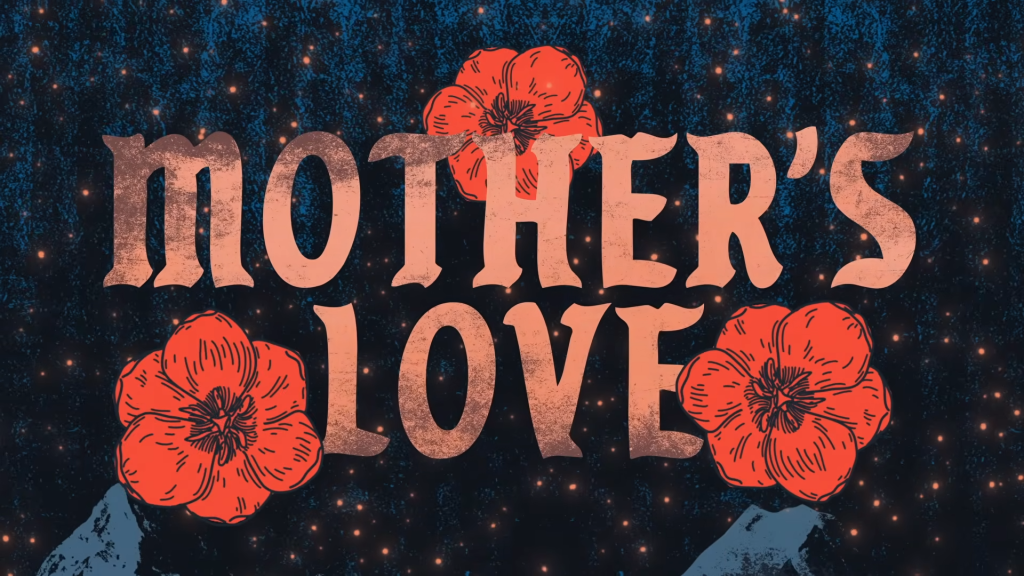
In many ways, lyric videos actually offer more creative freedom than traditional productions. Filmed music videos are naturally limited by practical considerations like budgets, locations, weather, permits, travel, equipment, shooting schedules etc. A lyric video begins with a blank canvas. Instead of asking what can realistically be filmed, the creative process starts by asking what best represents the feeling of the song. That freedom allows artists to create visuals that might never be possible through live action alone. It could look like a nostalgic country ballad can unfold through vintage photography and warm cinematic textures. Perhaps an electronic track can explode into abstract motion graphics, synchronized perfectly with every beat. A rock anthem might lean into distressed textures and bold typography, while an intimate acoustic performance can be brought to life through handwritten notes, layered collage elements and subtle camera movements. Every visual decision is driven by emotion rather than logistics.
Creating a memorable and professional lyric video also requires far more thought than simply placing words on a screen. Typography becomes part of the storytelling. Animation is carefully timed to complement the rhythm of the music. Imagery, color palettes, pacing and transitions all work together to enhance the listening experience without pulling attention away from the song itself. When every element is hand-crafted with intention, the visuals become an extension of the music rather than something layered on top of it.

Another reason lyric videos continue to thrive is their versatility. While they’re often associated with YouTube, the creative assets developed during production can support an entire marketing campaign. Individual scenes can be repurposed into Instagram Reels, TikTok videos, YouTube Shorts, teaser clips, digital advertisements, website content, promotional posts etc. Instead of investing in a single piece of content, artists are creating a library of visuals that can be used throughout the life of a release. This has become increasingly important as artists are expected to maintain a consistent presence online. Releasing one music video every year simply isn’t enough to keep audiences engaged. Fans want a steady stream of content and platforms reward creators who consistently publish fresh material. Lyric videos help fill that gap by providing professional, engaging visuals that keep a song visible long after release day.
The idea that a lyric video is simply a “budget music video” belongs to a different era. Today’s lyric videos are thoughtfully designed and built to do much more than display lyrics. And at the end of the day, every great song deserves great visuals. Sometimes that means a cinematic performance video, sometimes it means a narrative film. But sometimes the most powerful way to tell a song’s story is by letting the lyrics take center stage.